

Our Research
The Peter O’Donnell Jr. Brain Institute (OBI) supports outstanding neuroscience research across UT Southwestern with the goal of transforming how brain disorders are understood, diagnosed, and treated. While supporting a broad range of investigation, OBI is making major strategic investments in scientific and clinical programs that span fundamental discovery through clinical translation, with particular emphasis on circuit neuroscience and the molecular and cellular mechanisms of neurodegeneration.
Strategic Research Focus Areas
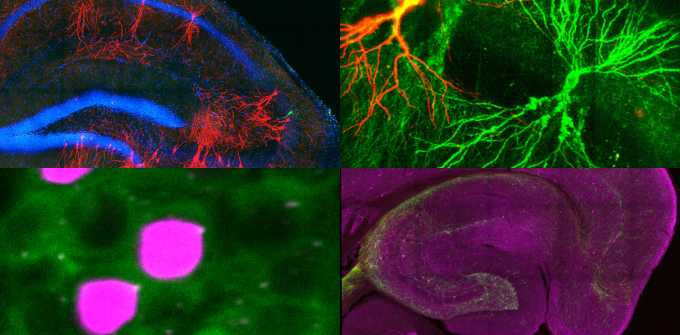
Circuit Neuroscience
The OBI is building an integrated circuit neuroscience program that uniquely links mechanistic studies in experimental model systems with direct investigation of the human brain through intracranial recordings, advanced neuroimaging, and neuromodulation. Through strategic faculty recruitment, collaborative programs, internal funding, and shared technologies, OBI is fostering a scientific community focused on understanding how neural circuits generate behavior, how they become disrupted in disease, and how they can be therapeutically modulated.
Major areas of emphasis include memory and cognition, social communication and autism, pain and somatosensation, and human systems neuroscience. The creation of the Program in Memory Longevity, led by Dr. Attila Losonczy, represents a major strategic investment that complements and strengthens existing institutional expertise while creating a new hub for collaborative discovery, faculty recruitment, and innovation in circuit neuroscience. Together, these efforts position UT Southwestern to bridge fundamental circuit biology with direct studies of the human brain while accelerating the translation of mechanistic discoveries into new approaches for brain disease.
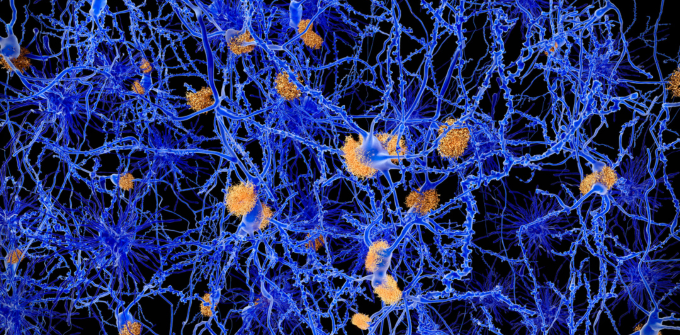
Molecular Mechanisms of Neurodegeneration
The OBI is building an integrated research ecosystem that brings together investigators studying the molecular, cellular, and neuroimmune mechanisms of neurodegeneration with researchers advancing biomarker discovery, molecular neuroimaging, and early translational studies. Central to this effort is the Center for Alzheimer’s and Neurodegenerative Diseases, led by Dr. Marc Diamond, which serves as a hub for studies of protein misfolding, amyloid biology, and related mechanisms of neurodegeneration.
OBI has further strengthened this ecosystem through strategic faculty recruitment and program development, including the recruitment of Dr. Pedro Rosa-Neto to expand molecular neuroimaging and biomarker research in Alzheimer’s disease, Parkinson’s disease, and related neurodegenerative disorders. Together with a broad community of investigators studying the cellular and molecular biology of the nervous system, these programs integrate mechanistic studies of disease with molecular imaging, biomarker discovery, and emerging therapeutic approaches, creating a comprehensive research ecosystem that spans fundamental discovery through clinical translation.
Faculty and Trainee Research Support
OBI has created a robust portfolio of internal support programs that span every career stage—from seed grants for early-stage investigators, to training programs for Ph.D. students and clinical researchers, to large-scale investments in high-risk, high-reward faculty projects. These programs have helped catalyze discovery while strengthening ties between laboratory science and clinical investigation.
The OBI Investigator Program was established to incorporate faculty from any UT Southwestern department or center conducting brain-related research. Investigators participate in all OBI programs, including seminars, symposia, and retreats, and are eligible for internal support and space. This initiative has helped foster a vibrant, university-wide scientific community, strengthening faculty connections and promoting scholarly excellence.


Our Facilities
The O'Donnell Brain Institute has developed an expansive and integrated research and clinical infrastructure that spans multiple locations and serves as the physical foundation for OBI’s integrated scientific and clinical mission. The cornerstone is the 9-story Peter O’Donnell Jr. Biomedical Research Building that includes approximately 120,000 square feet across seven floors of laboratory space designed for molecular, cellular, behavioral, and human neuroscience.
William P. Clements Jr. University Hospital houses over 100,000 square feet of inpatient space dedicated to neurology, neurosurgery, and interventional psychiatry. On South Campus, clinical research areas adjacent to ambulatory care centers provide specialized infrastructure to support human neuroscience studies.
Cores and Technologies
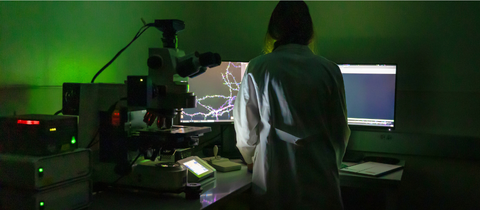
OBI has made targeted investments in technologies that accelerate neuroscience and human translational research including advanced microscopy, single-cell profiling, precision molecular assays, and high-performance computing. This focused strategy directs resources where they have the greatest impact: enabling leading discoveries in fundamental neuroscience and supporting translation at the interface of basic research and clinical application.
High-intensity focused ultrasound (HIFU)
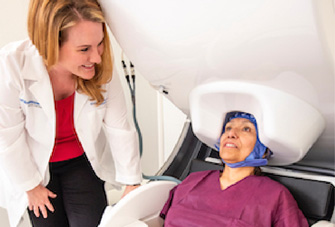
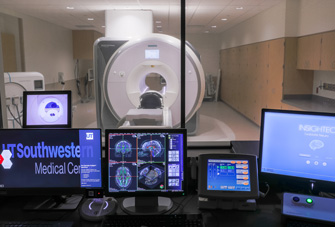
Magnetoencephalography (MEG) scanner
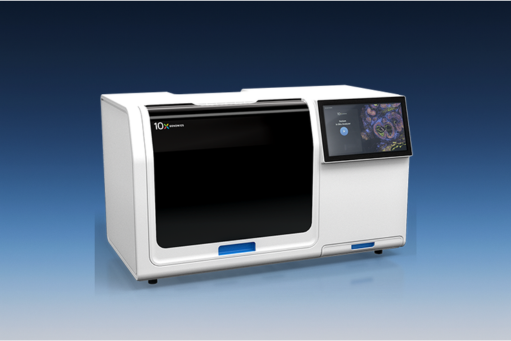
Spatial Transcriptomics Core
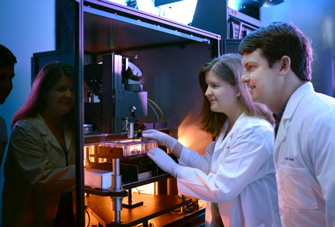


Ultra-Sensitive Multiplex Protein Biomarker Analysis

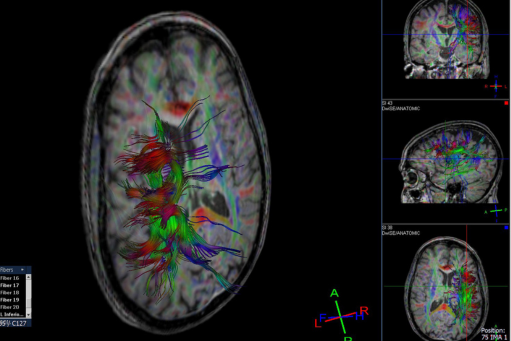
Departments, Divisions, and Programs
Collaborative Partners
- Advanced Imaging Research Center
- Bioinformatics
- Center for Alzheimer’s and Neurodegenerative Diseases